
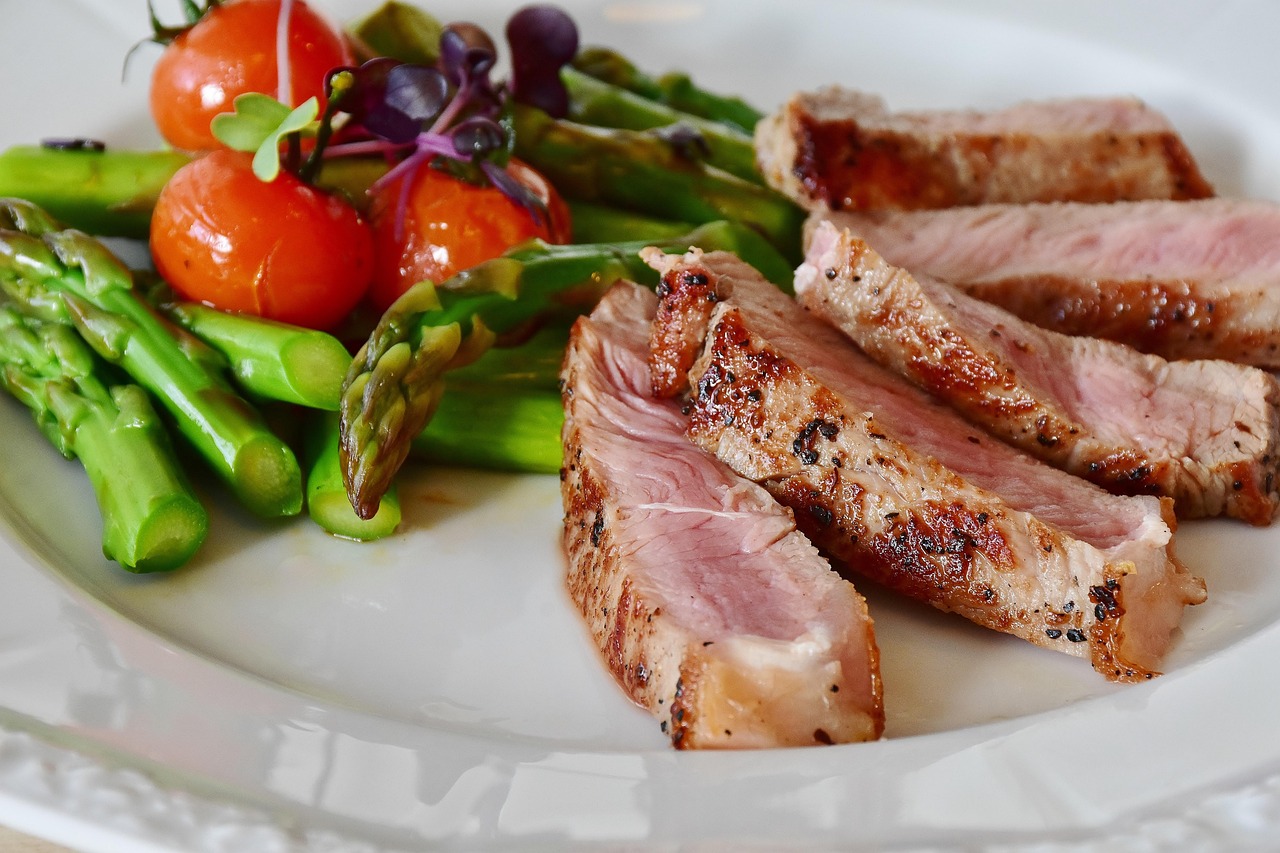
Foods with a low glycemic index (GI) (typically 55 or below) are digested and absorbed slowly, causing a gradual rise in blood sugar levels. This is particularly beneficial for people with diabetes, as it helps maintain stable blood glucose, reduces insulin spikes, and supports better long-term control (e.g., lower HbA1c). Studies show low-GI diets can improve glycemic control, aid weight management, lower cholesterol, and reduce cardiovascular risks in prediabetes and type 2 diabetes.
The glycemic load (GL) builds on GI by factoring in portion size (GL = GI × carbs per serving / 100). Aim for low GL (10 or less per serving) for even better blood sugar stability.
Key Benefits of Low-GI Foods
Slower blood sugar rise → less insulin demand.
Increased satiety → supports weight loss.
Better overall metabolic health (e.g., reduced inflammation, improved lipids).
Examples of Low-GI Foods (GI ≤ 55)
Here are common categories with approximate GI values:
Non-Starchy Vegetables (mostly GI < 20; eat freely):
Broccoli, spinach, kale, lettuce, cabbage → GI ~10-15
Tomatoes, cucumbers, peppers, cauliflower → GI ~15
Carrots (raw) → GI ~16; (boiled) ~39
Green peas → GI ~48
Fruits (choose whole over juice; most GI 30-50):
Apples, pears → GI ~36-38
Berries (strawberries, blueberries) → GI ~25-40
Cherries → GI ~22
Grapefruit, oranges → GI ~25-45
Peaches, plums → GI ~42
Legumes (excellent protein + fiber source):
Lentils → GI ~28-32
Chickpeas → GI ~28
Kidney beans, black beans → GI ~23-34
Soybeans → GI ~15
Whole Grains & Cereals:
Barley → GI ~28
Quinoa → GI ~53
Steel-cut or rolled oats → GI ~55
Bulgur → GI ~47
Nuts & Seeds:
Peanuts, almonds, cashews → GI ~13-22
Dairy & Alternatives:
Plain yogurt (unsweetened) → GI ~33
Milk (skim or whole) → GI ~31-37
Soy milk (unsweetened) → GI ~44
Other:
Sweet potatoes (boiled) → GI ~54 (better than white potatoes ~78+)
Avoid or limit high-GI foods (70+): white bread, white rice, sugary cereals, potatoes (baked), and processed snacks
Practical Tips for a Low-GI Diabetic Meal Plan
Use the Diabetes Plate Method for balanced meals:
Fill half your plate with non-starchy vegetables.
One quarter with lean proteins (e.g., fish, chicken, tofu, eggs).
One quarter with low-GI carbs (e.g., quinoa, lentils, or a small apple).
Add healthy fats (e.g., avocado, nuts, olive oil).
Pair carbs with protein/fat/fiber to lower overall GI (e.g., apple with nuts).
Cook al dente (firm) pasta or rice for lower GI.
Focus on whole, minimally processed foods.
Proven Benefits Backed by Evidence
Multiple high-quality studies confirm low-GI diets improve key markers:
Better Glycemic Control: Reduces HbA1c (long-term blood sugar average) by about 0.4-0.5%, fasting glucose, and post-meal spikes. A 2019 meta-analysis of 54 trials found significant reductions in HbA1c, fasting glucose, and BMI
Weight Management: Promotes satiety and modest weight loss, aiding insulin sensitivity.
Heart Health: Lowers total cholesterol, LDL ("bad") cholesterol, and sometimes blood pressure/inflammation (e.g., CRP levels).
Other Perks: May improve lipids, reduce cardiovascular risk, and support overall metabolic health without negatively affecting insulin needs.
These benefits often exceed those from standard high-GI or low-fat diets, making low-GI a recommended tool by organizations like the American Diabetes Association and Mayo Clinic (as of 2025 updates).
Advanced Tips
Lower GI Further: Add vinegar/lemon (acid), fats/protein, or cook pasta/rice al dente.
Portion Awareness: Even low-GI foods add up—use glycemic load (GL <10 per serving ideal).
Individual Variation: Test your blood sugar response; factors like ripeness or cooking affect GI.
Combine with Lifestyle: Pair with exercise, monitoring, and meds for best results.